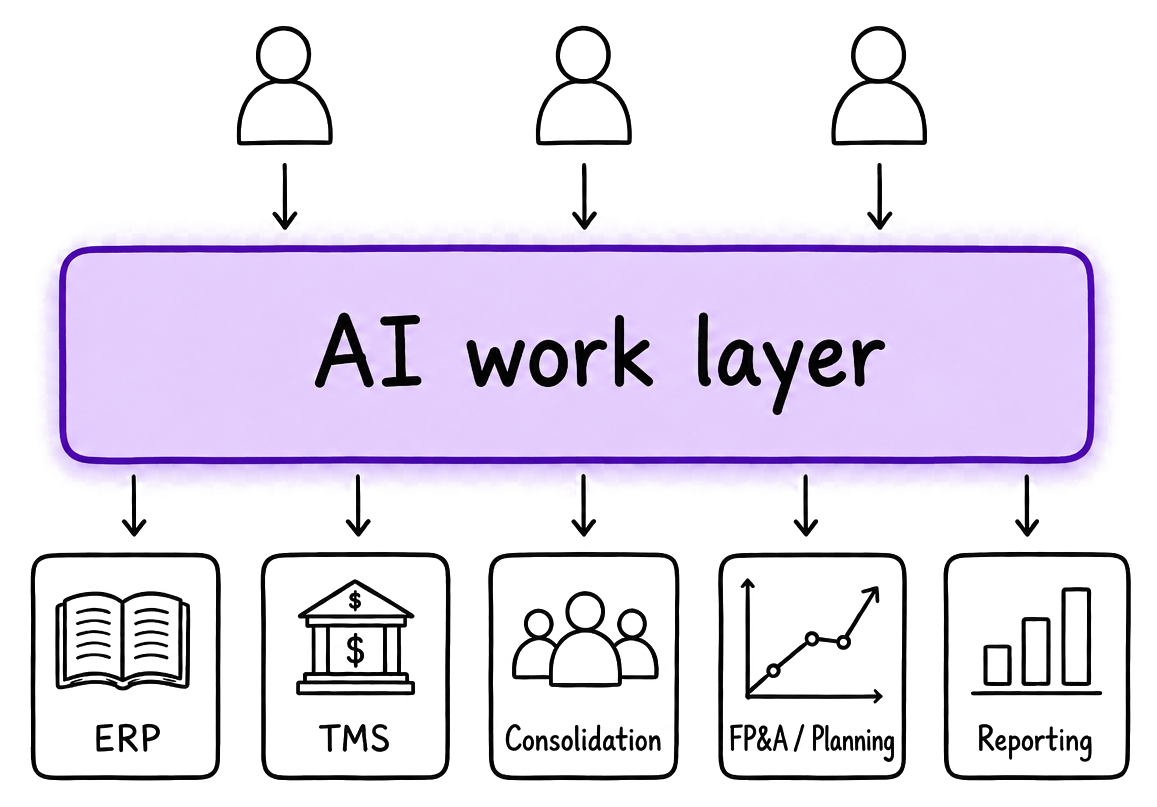
Finance teams are moving from manual coordination to AI-supported work.
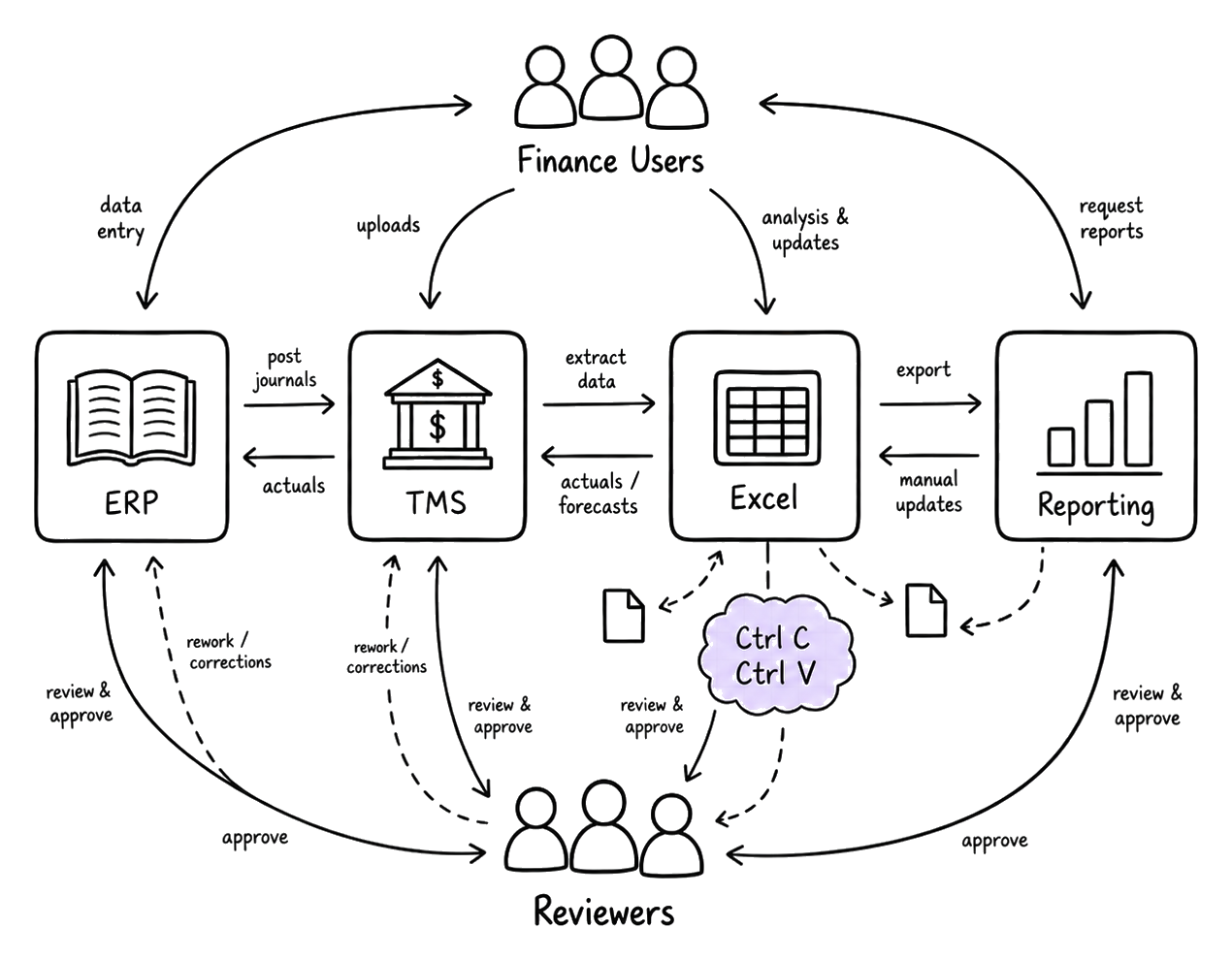
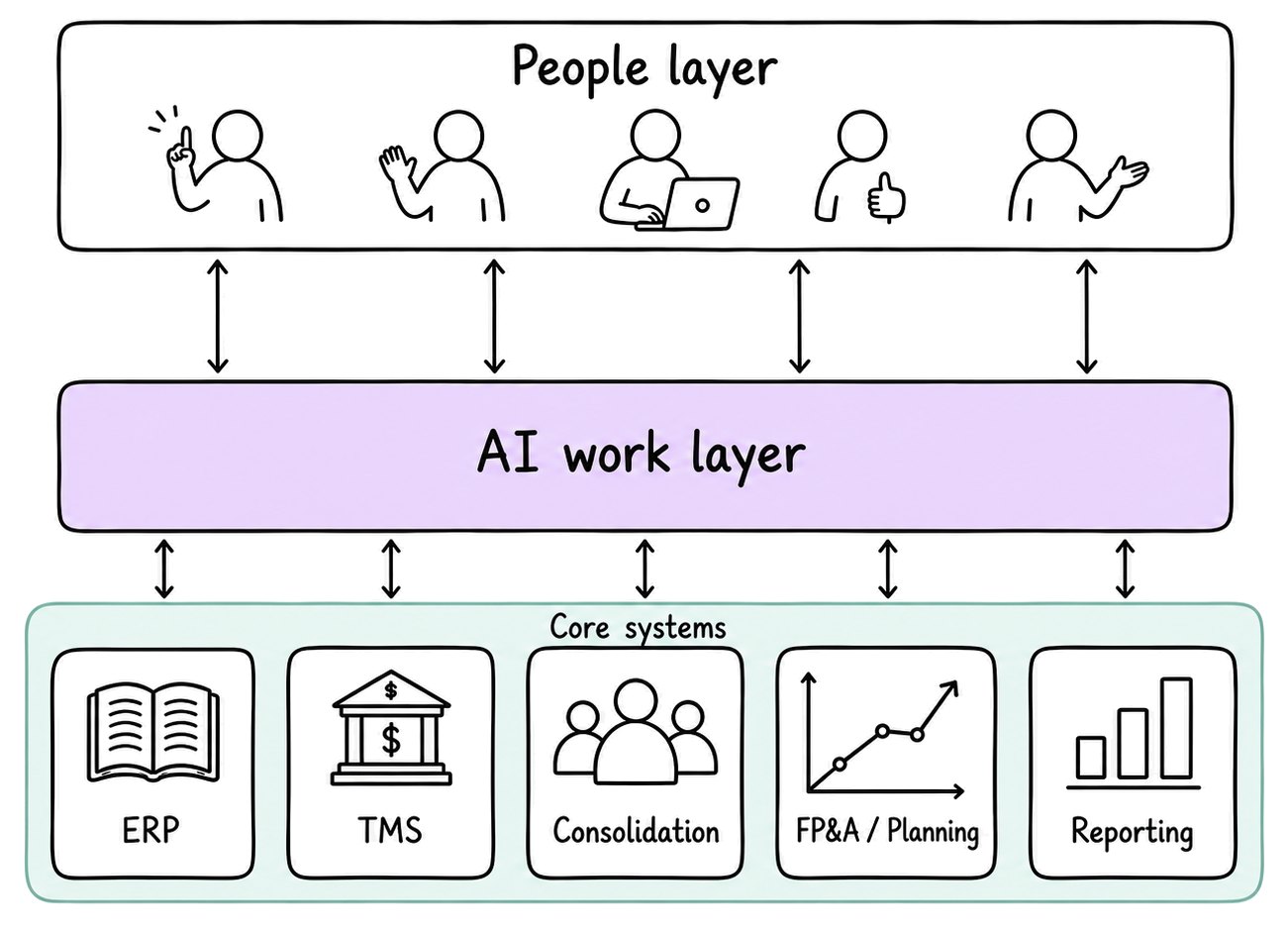
Complex finance workflows still depend on people stitching work together across ERP, EPM, treasury systems, tax tools, data warehouses, spreadsheets, approvals, controls, and reporting deadlines.
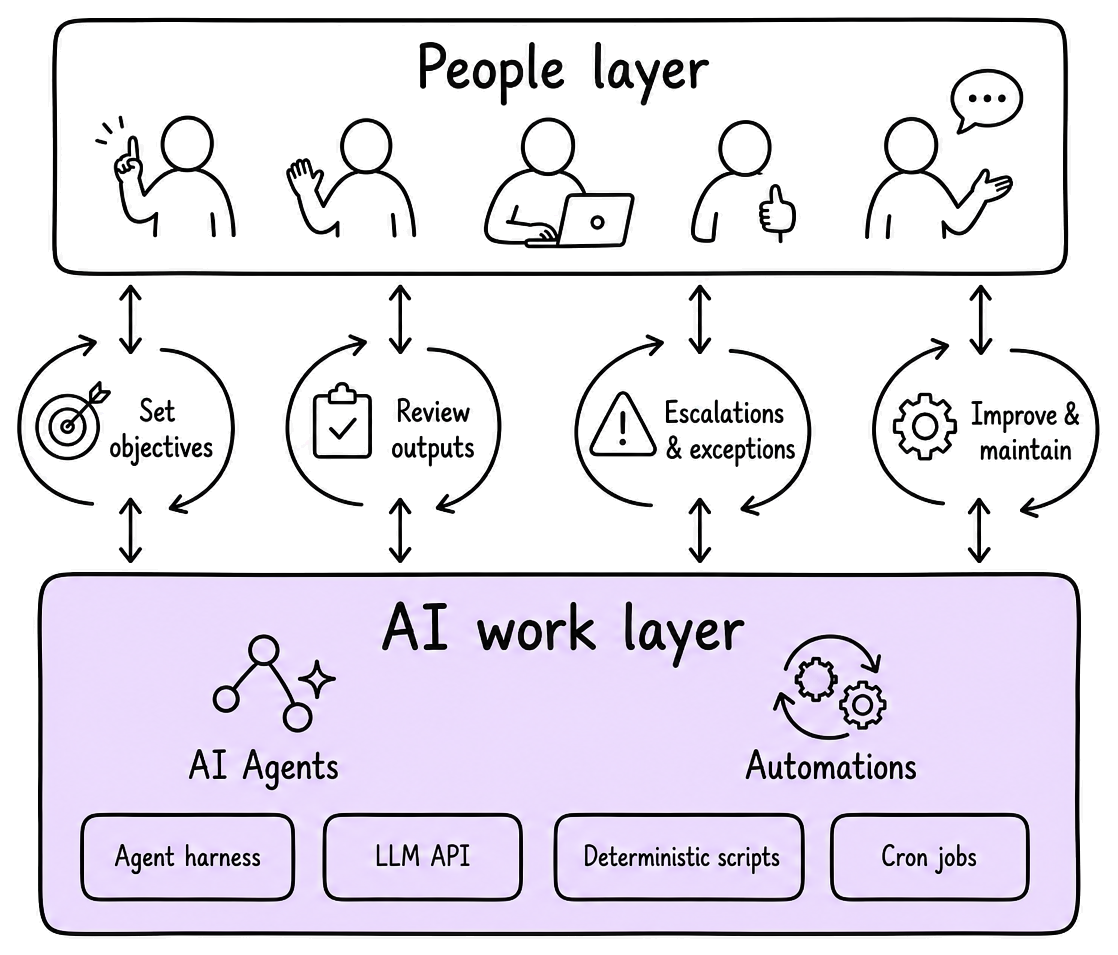
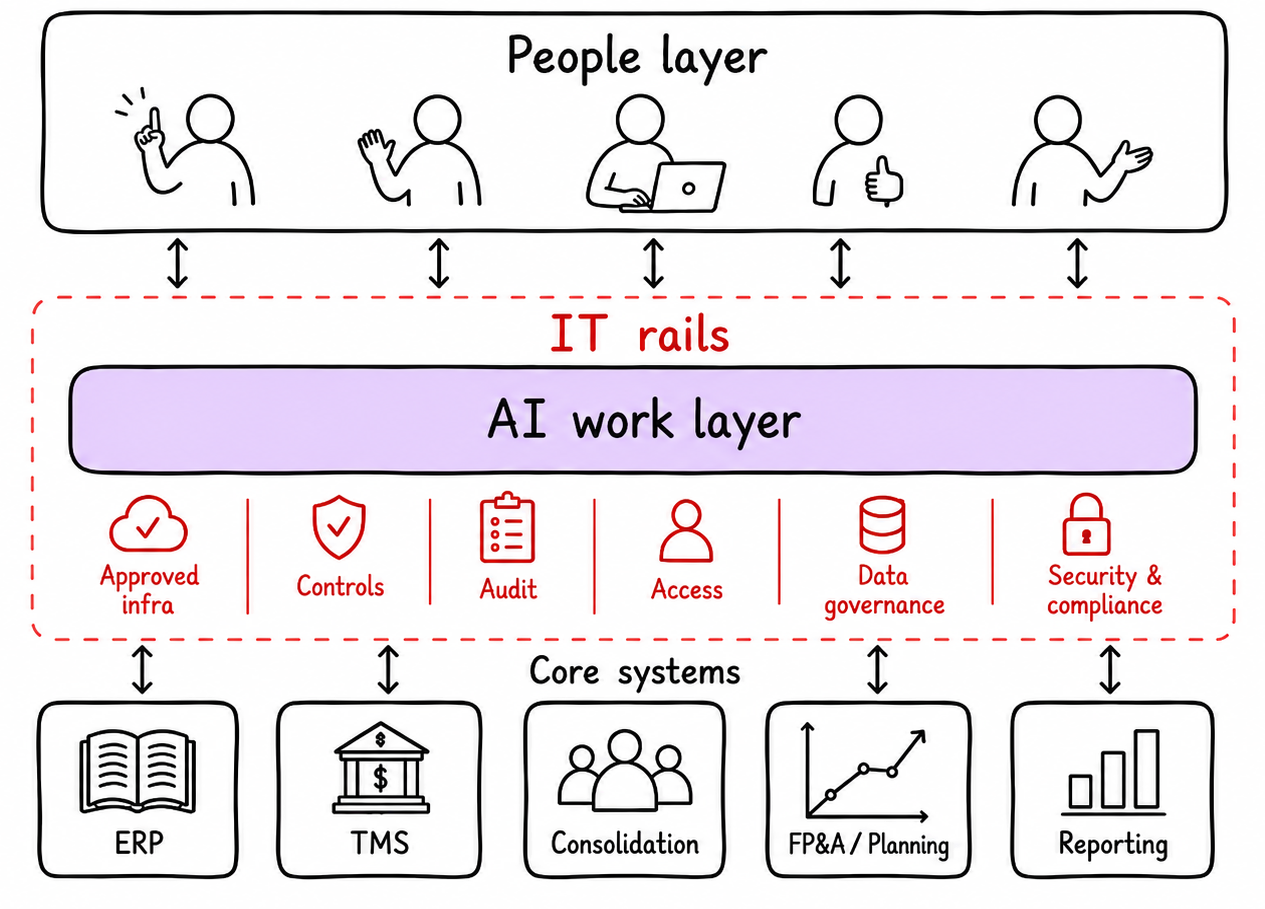
AI agents make a new work layer possible: one that gathers data, checks rules, prepares outputs, keeps evidence, and escalates exceptions while finance keeps judgement and decisions.
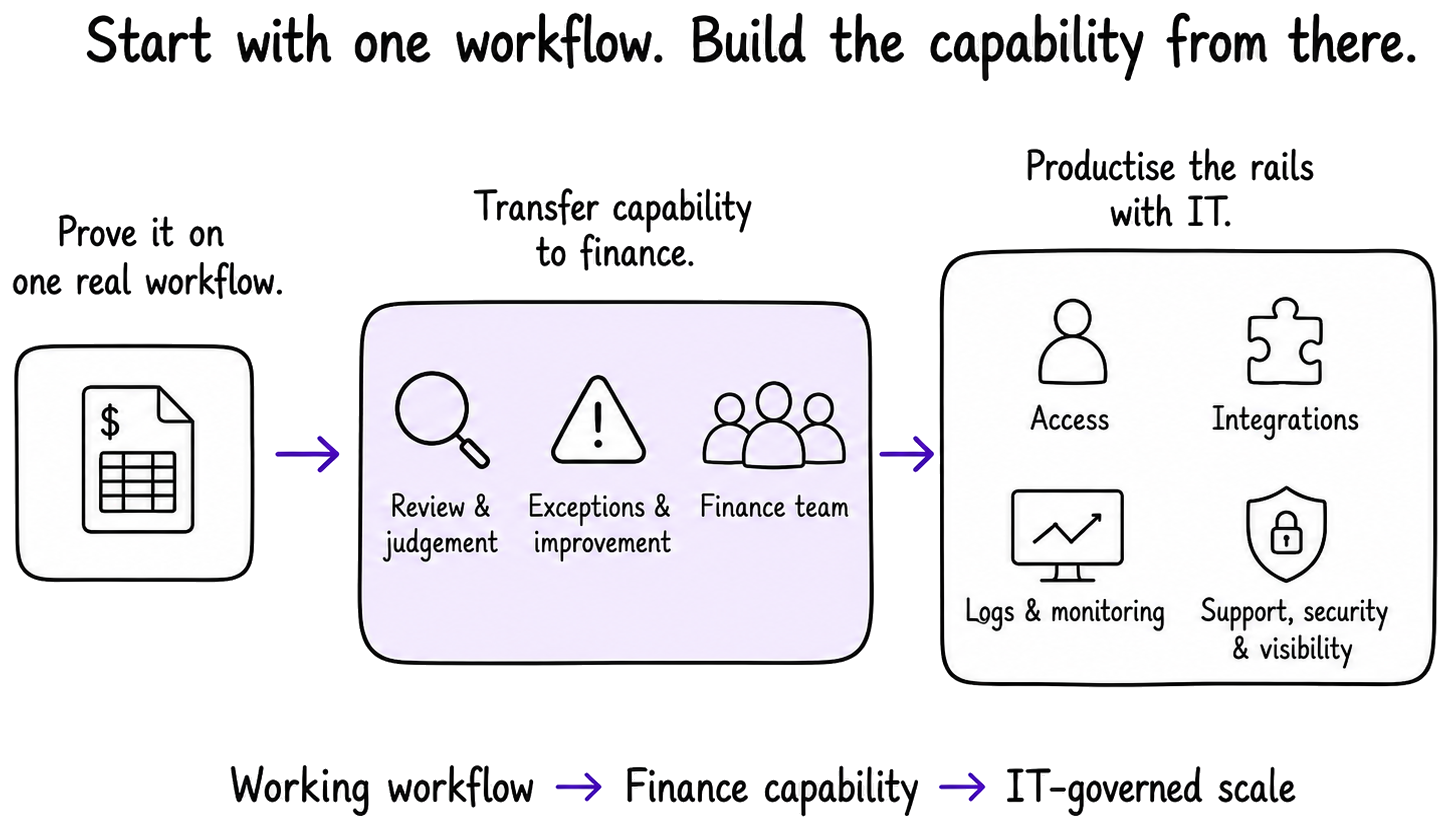
The practical question is no longer whether these models are coming. It is how finance turns them into working capability, not another AI experiment.
Treasury workflow example. Multiple subsidiaries upload cash balances into a group system. Balances are manually reconciled. A netting calculation is performed. Residual exposures are transferred into an FX risk-management system. A person checks the hedging policy, decides which trades are needed, and executes trades manually with the bank.
Transfer pricing example. A tax accountant searches the ledger for relevant transactions, checks recharges against policy, calculates the true-up, and applies the adjustment manually.
These are the kinds of workflows this service targets: high-value, judgement-heavy processes where work crosses systems and too much coordination still depends on people copying, checking, reconciling, and deciding manually.